Making and storing your own electricity in the US: where to start
Your electricity rate helps determine how much solar or a battery can save you: in August 2026, US homes paid an average of 18.16 cents per kWh, according to preliminary EIA figures.
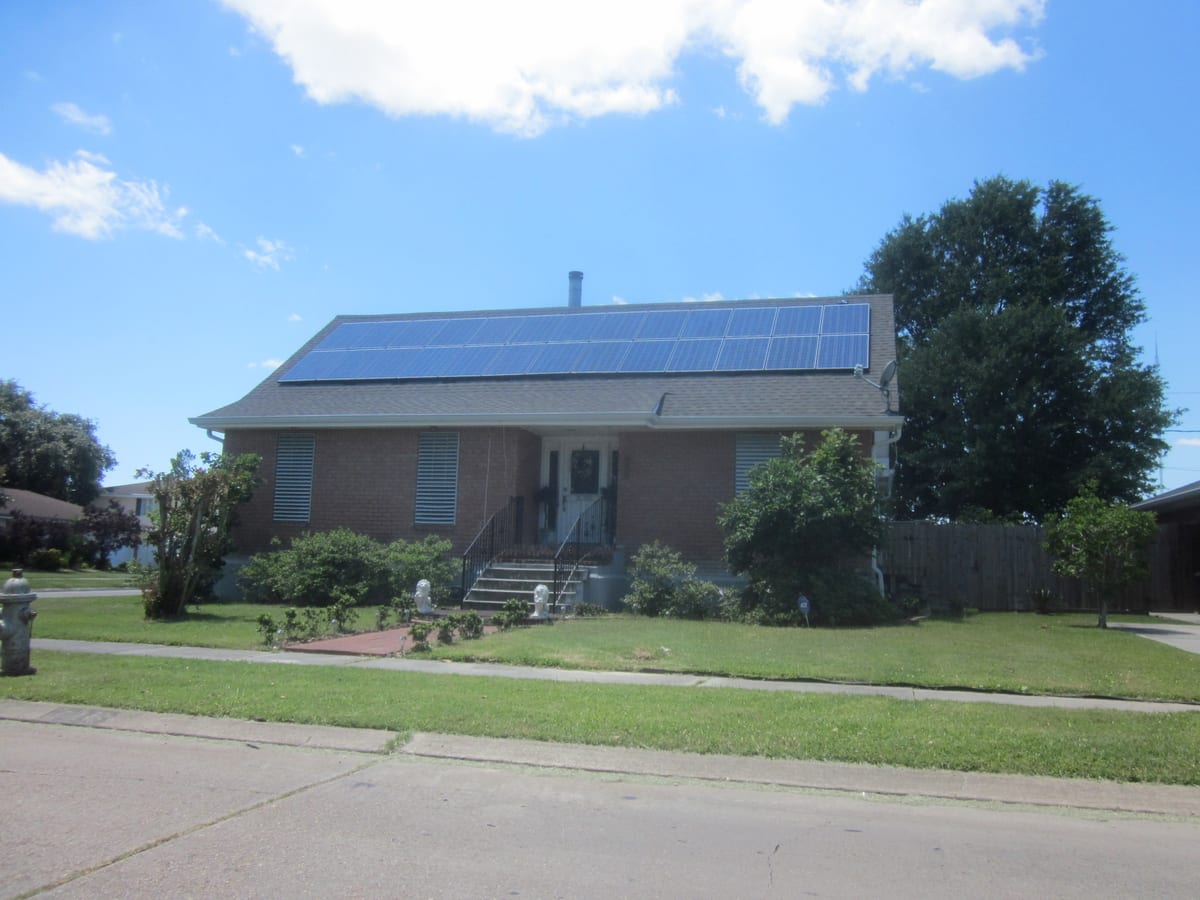
Your options run from a plug-in solar kit to a rooftop system you buy, lease or pay for through a power purchase agreement (PPA). Home batteries and backup power for outages have their own guides. The federal 25D credit for homeowners doesn’t apply to systems installed after December 31, 2025, so be wary of any advice that still counts on it.
For solar, batteries and backup power in the US, many rules, including those on electrical work, are set by your state, and often by your city and your utility. When a rule comes from one state, the guide that covers it names that state.
Know your rate first
In August 2026, US homes paid an average of 18.16 cents per kWh, according to preliminary figures from the Energy Information Administration (EIA) 1. The electricity rates by state page gives your state’s figure for the month and for the year to date.
Our reading: the higher your rate, the more each kilowatt-hour you make and use yourself is worth.
Plug-in kits, rooftop panels and the tax credit
Several states now have laws on plug-in solar, the small kits that plug into an outlet. The plug-in solar guide lists them and what they require.
For a rooftop system, our solar lease and PPA guide compares buying, leasing and a power purchase agreement. How your utility credits the power you export is explained in the net metering guide.
The federal residential clean energy credit (25D) doesn’t apply to expenditures made after December 31, 2025 2. What ended and what’s left are set out in our solar tax credit guide.
For how panels work and their annual output in US cities, see the solar panel guide.
Storing power in a home battery
What does a home battery cost, and when does it pay off? The home battery guide works through both questions. To see how a battery, solar panels and the grid work together, read our guide to storing solar power at home.
Backup power for outages
- Power outage preparation: food, medicine, carbon monoxide and backup
- Portable generator or battery: size, noise, fuel and safety
- Whole-home backup: a standby generator, a home battery or both
- Transfer switch or interlock: the local codes we checked and who can legally install one
On the road
For RVs, vans and boats, the RV, van and boat section covers batteries, solar and 30- and 50-amp shore power.
Quick conversions and runtime estimates
Need to convert between watts, amps, watt-hours and amp-hours? Our calculators handle those conversions and estimate how many hours a power station will keep your appliances running. For the basics behind those units, start with our guide to the kWh.