Generating and storing your own electricity in the UK: where to start
Start with what you pay for electricity: from 1 October to 31 December 2026, the energy price cap’s average electricity unit rate for Direct Debit in England, Scotland and Wales is 26.32 pence per kWh, with a standing charge of 54.83 pence a day. Then pick your project: a plug-in solar kit, rooftop panels with the Smart Export Guarantee, a home battery on a time-of-use tariff, or backup for a power cut. Northern Ireland has no price cap and no Smart Export Guarantee, so check which rules apply where you live.
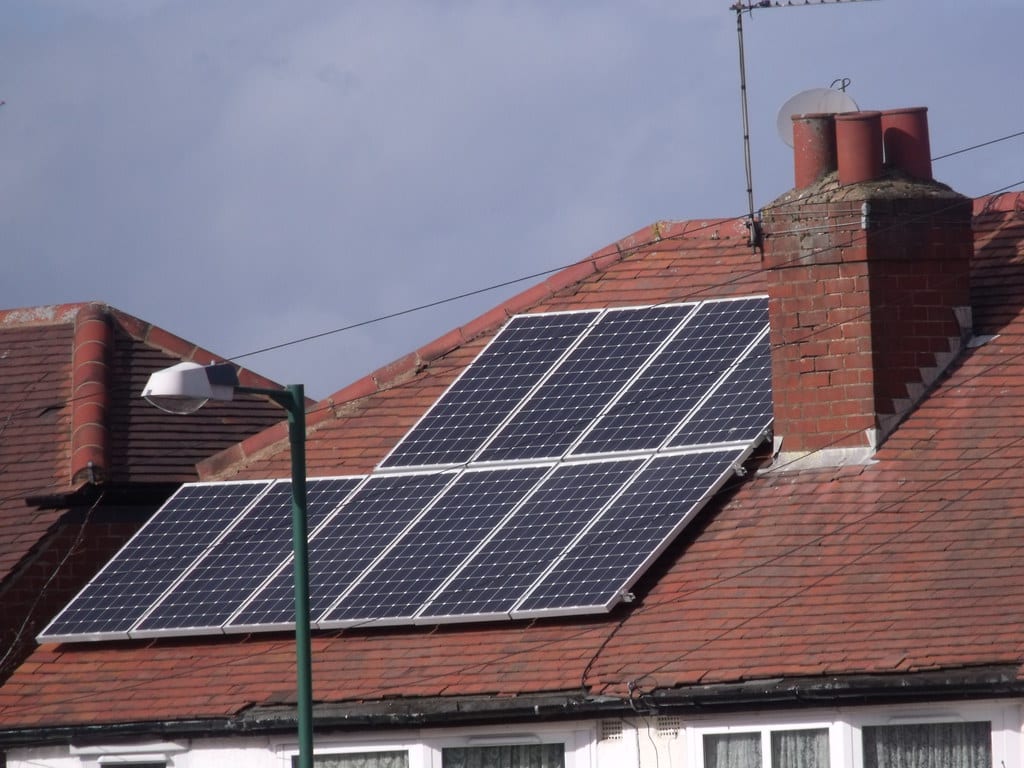
Across the UK, many rules on solar panels, home batteries and power cuts differ between Great Britain and Northern Ireland: our Northern Ireland guide brings together what’s different there.
Your bill and the price cap
From 1 October to 31 December 2026, the energy price cap’s average electricity unit rate for a default tariff paid by Direct Debit is 26.32 pence per kWh, with a standing charge of 54.83 pence a day, in England, Scotland and Wales 1. The unit rate is what you pay per kilowatt-hour, and the standing charge is a daily amount 1.
Northern Ireland has no price cap 2. If you live there, the capped rates above don’t apply to you.
What the cap limits, and what it doesn’t, is explained in our price cap guide. Cheaper night-time and smart tariffs have their own guide to Economy 7 and time-of-use tariffs. If watts and kilowatt-hours are new to you, our guide to the kWh explains both units.
Power cuts and backup
When the lights go out, report it on 105 in England, Scotland and Wales, or to NIE Networks on 03457 643643 in Northern Ireland 3 4. What to do next, the Priority Services Register and compensation are covered in our power cuts guide.
Our general backup power section, written mainly for US homes, explains which options will run which appliances.
How long a portable power station lasts
To estimate how long a portable power station will run your appliances, try our calculators. They also convert watts, amps, watt-hours and amp-hours.
Solar panels and the paperwork
- A plug-in kit. Since 27 August 2026, plug-in solar has been allowed in Great Britain within strict limits. Before you buy a kit, check it against them: our plug-in solar guide explains the limits, and the position in Northern Ireland.
- Rooftop panels. Prices per kW and VAT are in our solar panel cost guide. What suppliers pay for exported power is compared in our Smart Export Guarantee guide.
- The paperwork. Our guide to MCS, G98 and G99 explains certification and when you need to tell your network operator or apply for permission first.
- What panels make. Our solar panel guide shows what a kilowatt of panels produces in a year in UK cities.
Adding a home battery
Our home battery guide sets what a battery costs against what it saves. Our PAS 63100 guide explains where a battery can and can’t go. For how a battery, panels and the grid fit together, read our introduction to home solar storage.
Caravans, motorhomes and boats
For hook-ups and 13-pin sockets, see our caravan and motorhome electrics guide. Our leisure battery guide explains the types, the National Caravan Council’s classes and charging. For solar on the road, see the campervan, motorhome and boat section.