About 634,759 Bose S1 Pro and S1 Pro+ speaker battery packs recalled over fire hazard
The US Consumer Product Safety Commission lists a recall of about 634,759 lithium-ion battery packs for Bose S1 Pro and S1 Pro+ portable speakers, sold from December 2017 through July 2026, because they can overheat and ignite. Check the serial number under the pack, remove a recalled pack and stop using it, and register it with Bose for a free replacement.
Published
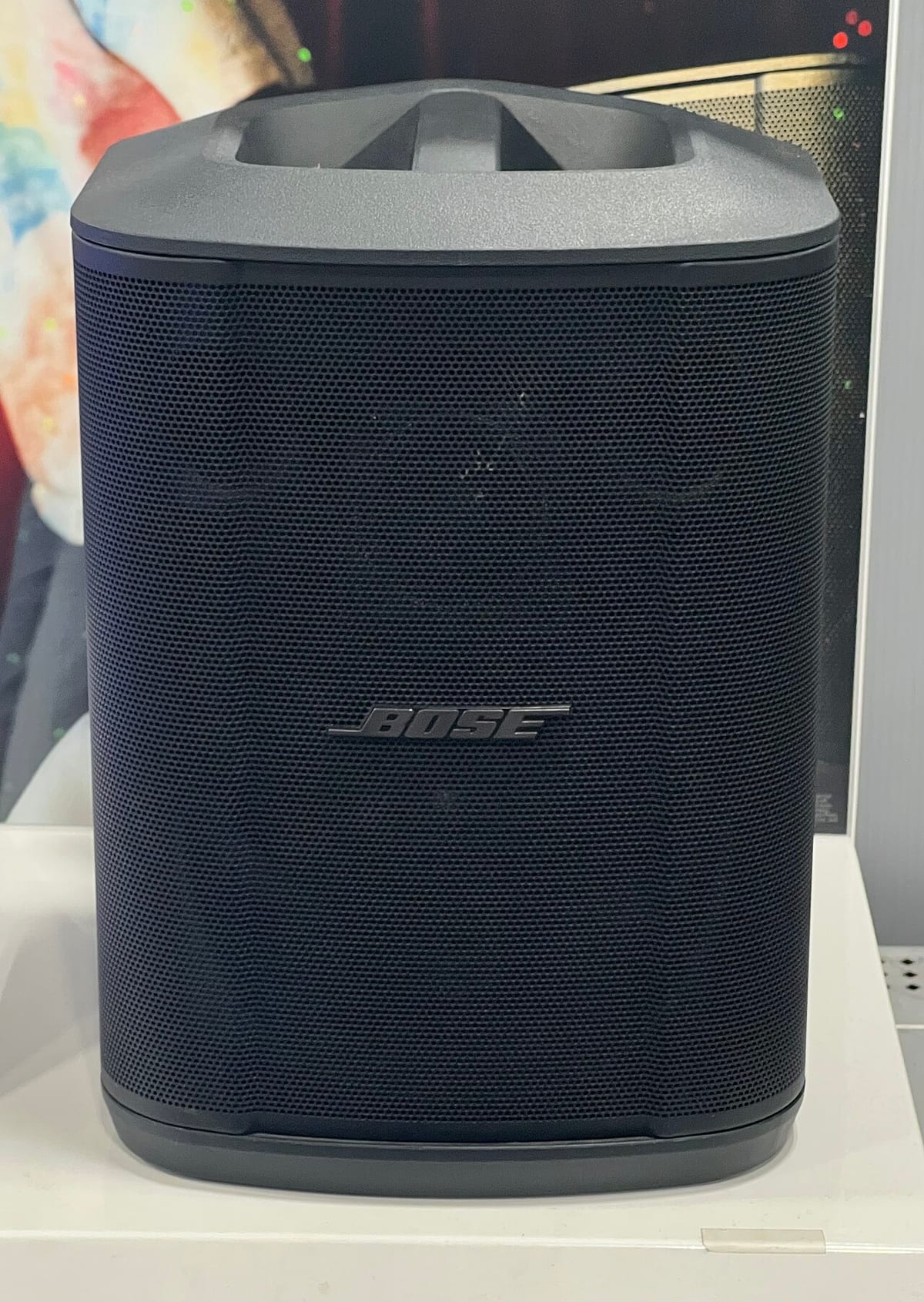

Bose is recalling about 634,759 lithium-ion battery packs for its S1 Pro and S1 Pro+ portable Bluetooth speakers, because they can overheat and ignite 1. The US Consumer Product Safety Commission (CPSC) announced the recall on November 5, 2026. About 35,400 more packs were sold in Canada, where Health Canada has its own recall 1.
Only the battery packs are recalled. The speaker itself still works on AC power 1.
Is your Bose S1 Pro battery recalled? Check the serial number
Each pack has a 17-digit serial number, printed on a label on the bottom of the pack. Your pack is recalled if its serial number begins with one of these 1:
- 083723
- 078352
- 084105
- 078591
- 078592
- 084106
- 086409
A spare pack counts too: just read its serial number, as it doesn’t need to be in a speaker. The recall goes back to packs sold in December 2017, so an older speaker is worth checking as well 1.
What to do if your pack is recalled
- Remove the recalled battery pack from your S1 Pro or S1 Pro+ speaker and stop using it immediately. Once the pack is out, you can keep using the speaker while it’s connected to AC power 1.
- Register the pack and enter its serial number at www.support.bose.com/s1-battery-recall to get a free replacement pack 1.
- For more information, call Bose toll-free at 800-278-1083, from 9 a.m. to 9 p.m. ET Monday through Friday and from 9 a.m. to 7 p.m. ET on Saturday, or go to www.bose.com and click on “Product Recalls” at the bottom of the page 1.
- Until you dispose of it, keep the removed pack away from anything that can catch fire, the National Fire Protection Association’s (NFPA) general advice for batteries 2.
- Dispose of it as described in the next section, never with your trash 1.
Stop using any lithium-ion battery that gives off an odor, changes color or shape, gets too hot, leaks or makes odd noises. If it’s safe to do so, move it away from flammable materials, and call 9-1-1 2. If a battery overheats or smokes, our lithium battery fire safety guide explains what to do next.
How to dispose of a recalled lithium-ion battery
Recalled lithium-ion batteries present a greater risk of fire, so they have to be disposed of with special care. Dispose of the pack in line with local and state regulations, and never put it in 1:
- the trash
- the general recycling stream, such as street-level or curbside recycling bins
- the used-battery recycling boxes found at retail and home improvement stores
Your municipal household hazardous waste collection center may accept it. Call ahead and ask whether it takes recalled lithium-ion batteries; if it doesn’t, contact your municipality for further guidance 1.
For the trip there, the Environmental Protection Agency (EPA) advises taping over the battery terminals, putting the pack in its own plastic bag, or both, to prevent fires 3.
Why the packs were recalled
The recalled packs can overheat and ignite, posing a risk of fire and injury. Bose has received seven reports of packs melting, producing smoke or catching fire, including six reports of property damage. No injuries have been reported 1.
The recall notice doesn’t say why these packs fail. Any lithium-ion battery is capable of thermal runaway, an uncontrolled rise in temperature that can start without warning, and a manufacturing defect alone can set it off, according to the Federal Aviation Administration (FAA) 4. The section on thermal runaway in our lithium-ion guide covers why these cells overheat.
Which packs, and where they were sold
The recall covers the lithium-ion rechargeable battery packs for Bose S1 Pro and S1 Pro+ Portable Bluetooth Speaker Systems. They came with the speakers and were also sold on their own, as accessories or replacement parts 1.
- Sold: December 2017 through July 2026
- In stores: Bose, Best Buy and other retail stores and distributors nationwide
- Online: Amazon.com, Bose.com, BestBuy.com, Walmart.com and other websites
- Price: between $100 and $160 for a pack on its own; $700 for a speaker system sold with its pack
- Importer: Bose Corporation, of Framingham, Massachusetts
- Made in: China
The CPSC recall number is 27065 1.
Other battery recalls
Our fire safety guide keeps a list of other recent recalls of battery products in the US and the UK. New ones appear on our news page as the CPSC announces them.
Sources
- Bose Recalls Lithium-Ion Battery Packs for S1 Pro and S1 Pro+ Bluetooth Speaker Systems Due to Risk of Injury from Fire and Overheating Hazards (recall 27065)
- Lithium-Ion Battery Safety (safety tip sheet, LithiumIonBatterySafetyTips.pdf)
- Used Lithium-Ion Batteries (Reduce, Reuse, Recycle)
- PackSafe - Lithium Batteries